Our Model
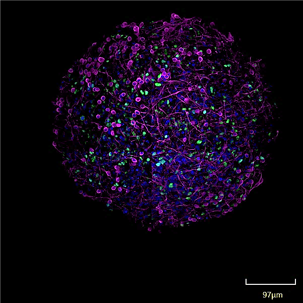
Three-dimensional (3D) models, such as brain organoids and microphysiological systems (MPS), provide an advanced platform for studying human brain development and disease. Unlike traditional two-dimensional cultures and animal models, 3D systems more accurately replicate human-specific cellular interactions, neurodevelopmental processes, and disease pathophysiology. These models enhance our ability to investigate neurodevelopmental and neurodegenerative disorders, study gene-environment interactions, and develop novel therapeutic approaches with greater translational relevance.
Gene and Environment Interactions in Autism
-
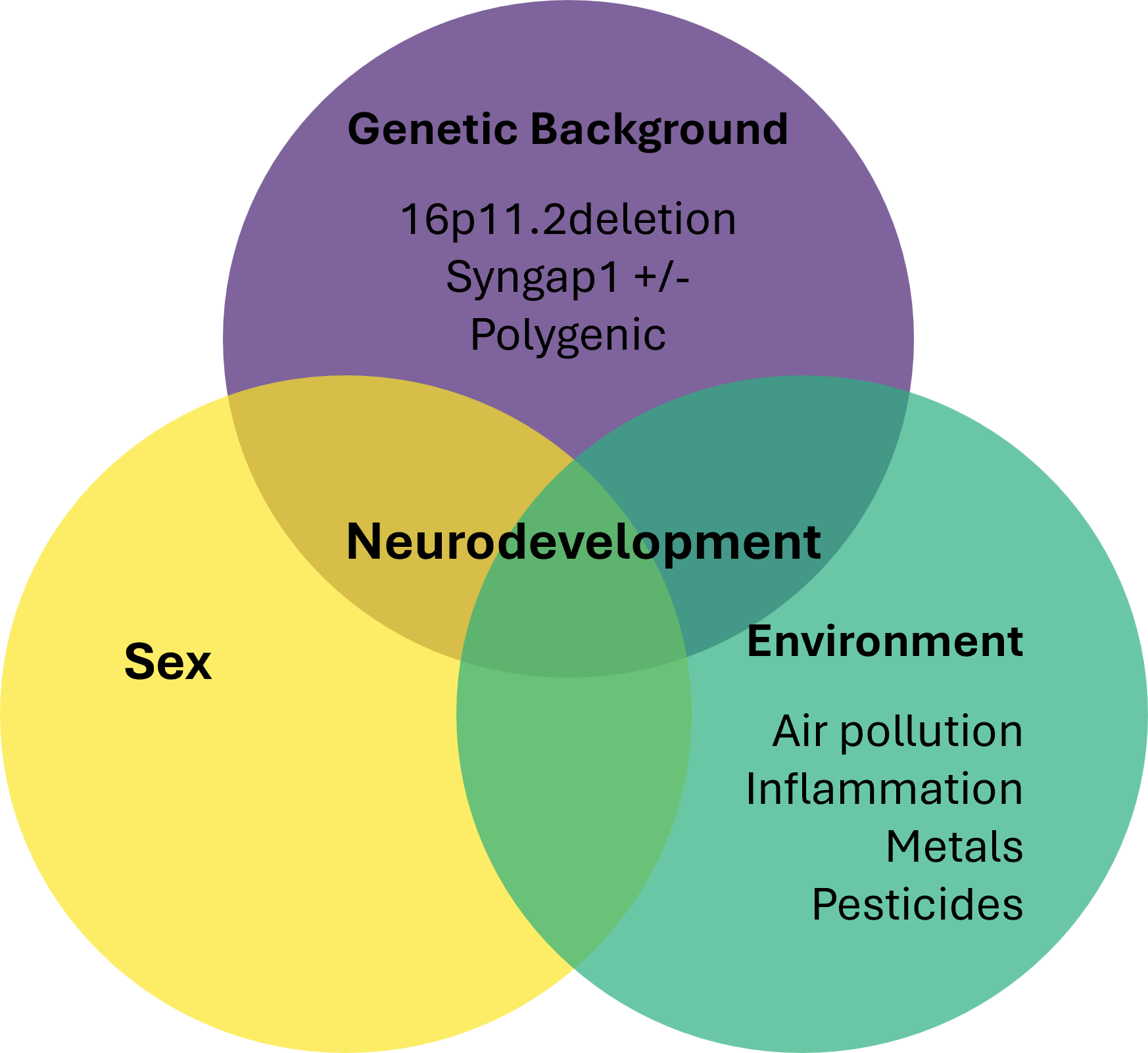
Autism spectrum disorder (ASD) has seen a 317% increase in prevalence since 2000, yet its underlying causes remain largely unknown. While genetics play a role, only 40% of cases have an identified genetic basis, and symptom severity varies even among those with similar mutations. This research bridges genetics and environmental epidemiology to uncover new insights into ASD development and progression, aiming to improve diagnosis and treatment strategies.
This work takes place as part of the Johns Hopkins GEARs institute, in collaboration with Drs. Volk and Ladd-Acosta
-
Extensive epidemiological research has linked environmental factors—such as maternal inflammation, pesticide exposure, and air pollution—to increased ASD risk. However, the interaction between genetic predisposition and environmental influences remains poorly understood.
-
This project investigates how genetic and environmental factors interact to influence ASD diagnosis and severity. Using patient-derived cell lines, with ASD associated mutations, we develop brain microphysiological systems to study these interactions at a cellular level. Our research focuses on:
Lineage Differentiation – Understanding how genetic and environmental factors shape brain cell development
Inflammation – Investigating immune system responses and their impact on ASD
Neuronal Connectivity and Activity – Examining how interactions between genes and the environment affect brain functions
Disease Models with MPS
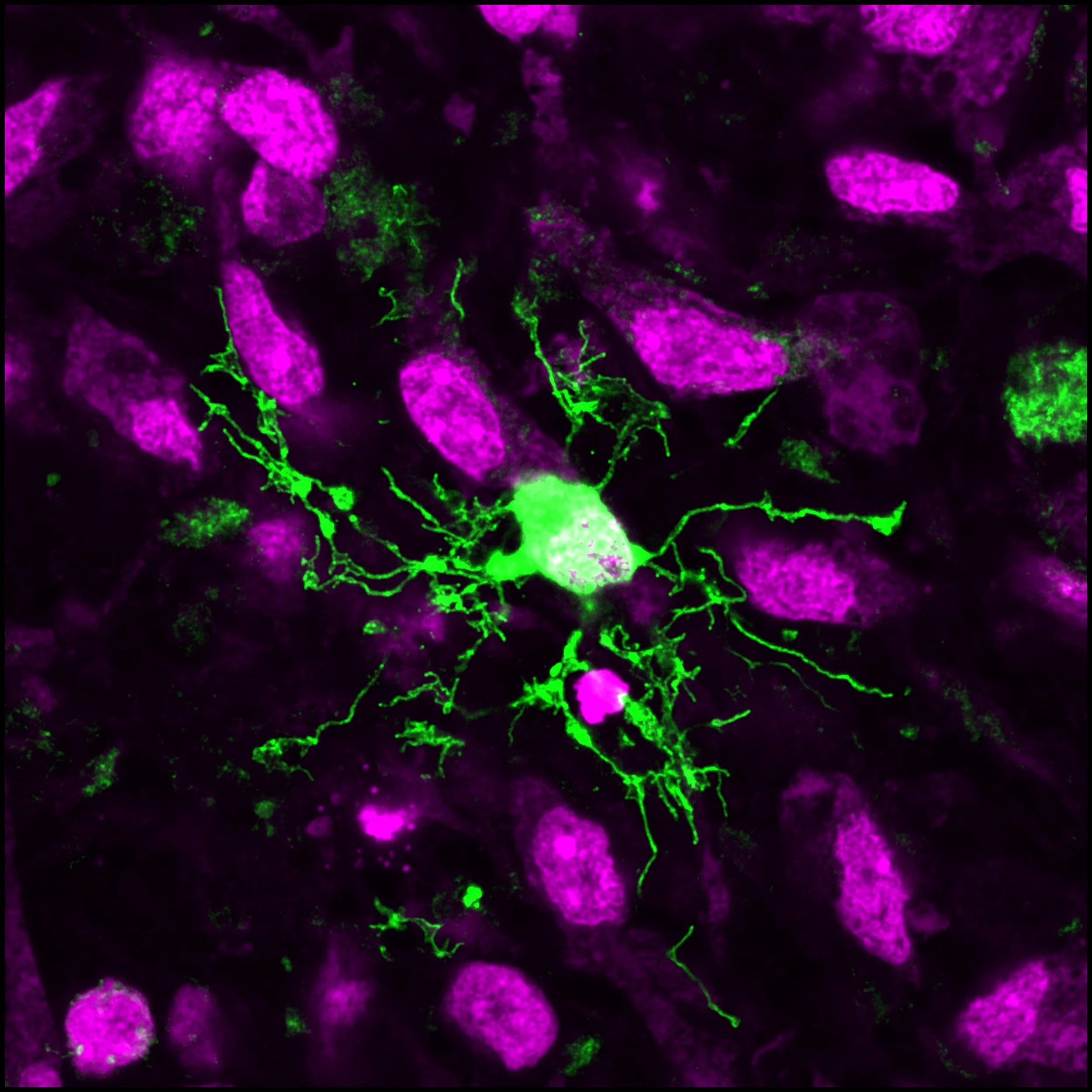
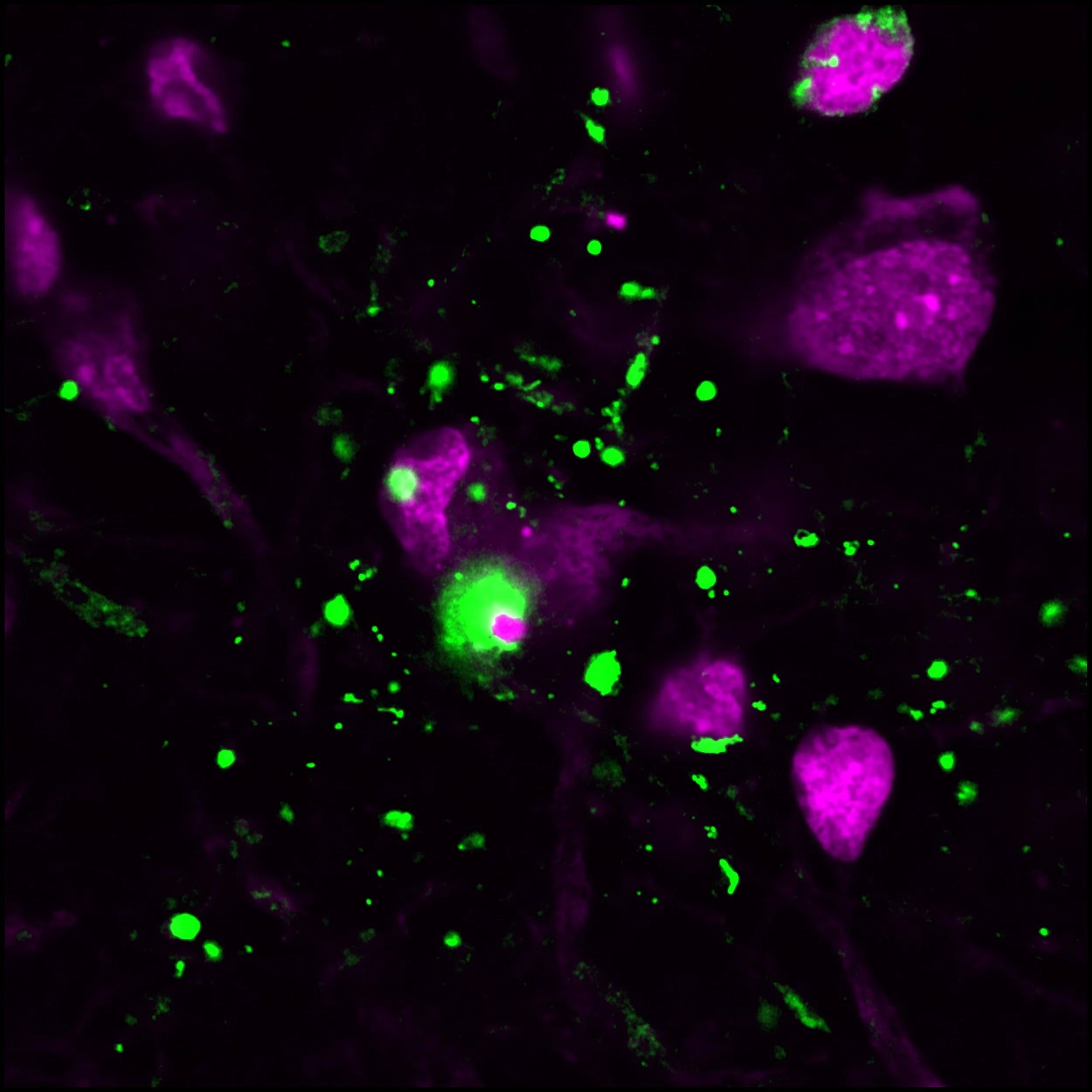
Healthy (left) and Demyelinating Oligodendrocyte (right)
-
Neural organoids provide a human-relevant system for studying neurodevelopmental and neurodegenerative disorders. By self-organizing into structured architectures, these models allow for the investigation of disease mechanisms, cellular interactions, and personalized therapeutic approaches. Our lab develops patient-derived neural organoid models to study conditions such as Alzheimer's disease, neurofibromatosis type 1 (NF1), SYNGAP1-related disorder, leukoencephalopathy, and other neurodevelopmental disorders.
-
Dementia research within this project focuses on understanding the mechanisms of Alzheimer's disease by investigation of high and low risk alzheimer’s related alleles in neural organoids with incorporated microglia (in collaboration with Dr. Machairaki). This approach allows us to investigate neuroimmune interactions, amyloid-beta/tau pathology, and neuronal dysfunction to identify potential therapeutic targets.
-
Through the use of CRISPR-engineered and patient derived iPSC lines we aim to better understand the mechanisms of various rare neurodevelopmental disorders in order to explore both disease mechanisms and potential treatments. Current work is aimed at investigating SYNGAP1 deletion related syndrome (in collaboration with Dr. Smith-Hicks, Dr. Machairaki, Dr. Sabunciyan), Neurofibromatosis 1 (in collaboration with Dr. Chamling), and Leukoencephalopathies (in collaboration with Dr. Mertz, KKI).
Organoid intelligence to model cellular and molecular mechanisms of learning
-
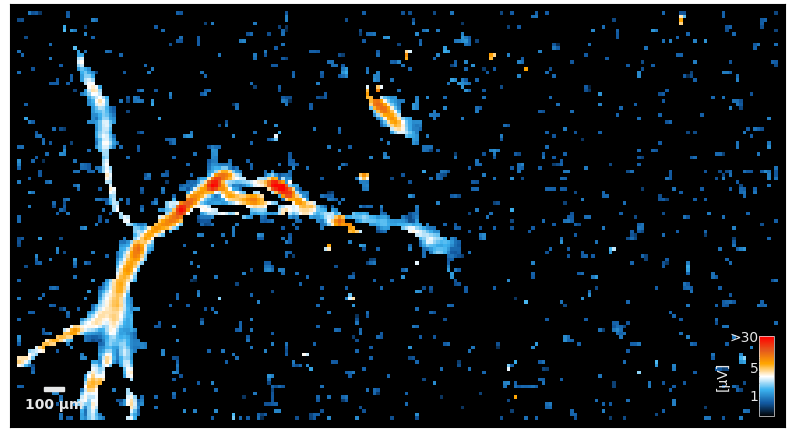
Organoid Intelligence (OI) aims to leverage human stem cell-derived brain organoids to model functionality of neural networks. This project integrates neural organoid cultures with bioengineered sensors and artificial intelligence to model learning and memory processes. Potential applications include enhanced research in neurodevelopment and neurodegeneration, drug discovery and neurotoxicology. Efforts are currently focused on developing organoid-computer interfaces using multielectrode array configurations.
-
We established a Tissue Development Center (TDC) as a part of NIH Complement-ARIE program (1UM1TR006046-01) to address the rising burden of neurodevelopmental disorders and Alzheimer’s disease. We are developing the Drug Research Organoid-Integrated Development platform, DROIDp, a human-based in vitro neural system that combines human iPSC-derived 3D brain organoids, advanced 2D and 3D microelectrode arrays, sensor technologies, and AI-driven analytics to study neural plasticity towards learning and memory. As a combinatorial New Approach Methodology, DROIDp is designed to provide a complementary approach to traditional animal behavior studies in neuropharmacology, developmental neurotoxicity testing, and chemical safety assessment. The platform stimulates brain organoids through open- and closed-loop paradigms and measures neural activity, synaptic plasticity, and network dynamics to generate functional plasticity and learning metrics. Organoids derived from healthy individuals and patients with SYNGAP1-related disorders or Alzheimer’s disease will be used to evaluate disease-relevant neural responses and sensitivity to pharmacological interventions. By integrating electrophysiology, transcriptomics, extracellular vesicle profiling, self-supervised learning, and explainable AI, DROIDp aims to identify robust biomarkers that connect in vitro neural function with clinical relevance. This interdisciplinary project brings together expertise in neuroscience, toxicology, engineering, data science, and neuroethics to advance human-relevant models of neurological disease, improve drug discovery, and strengthen developmental neurotoxicity testing.
Principal investigators:
Lena Smirnova, Bloomberg School of Public Health (lead PI)
Erik Johnson, Applied Physics Laboratory
Co-investigators:
Thomas Hartung, Bloomberg School of Public Health
Brian Caffo, Bloomberg School of Public Health
Alex Szalay, Krieger School of Arts and Sciences, Whiting School of Engineering
David Gracias, Whiting School of Engineering
Vasiliki Machairaki, School of Medicine
Sarven Sabunciyan, School of Medicine
Constance Smith-Hicks, Kennedy Krieger Institute
Fenna Sille, Bloomberg School of Public Health
Lomax Boyd, Berman Institute of Bioethics
Neuronal footprint (Maxwell MEA)
Next Generation MPS with Increased Complexity
-
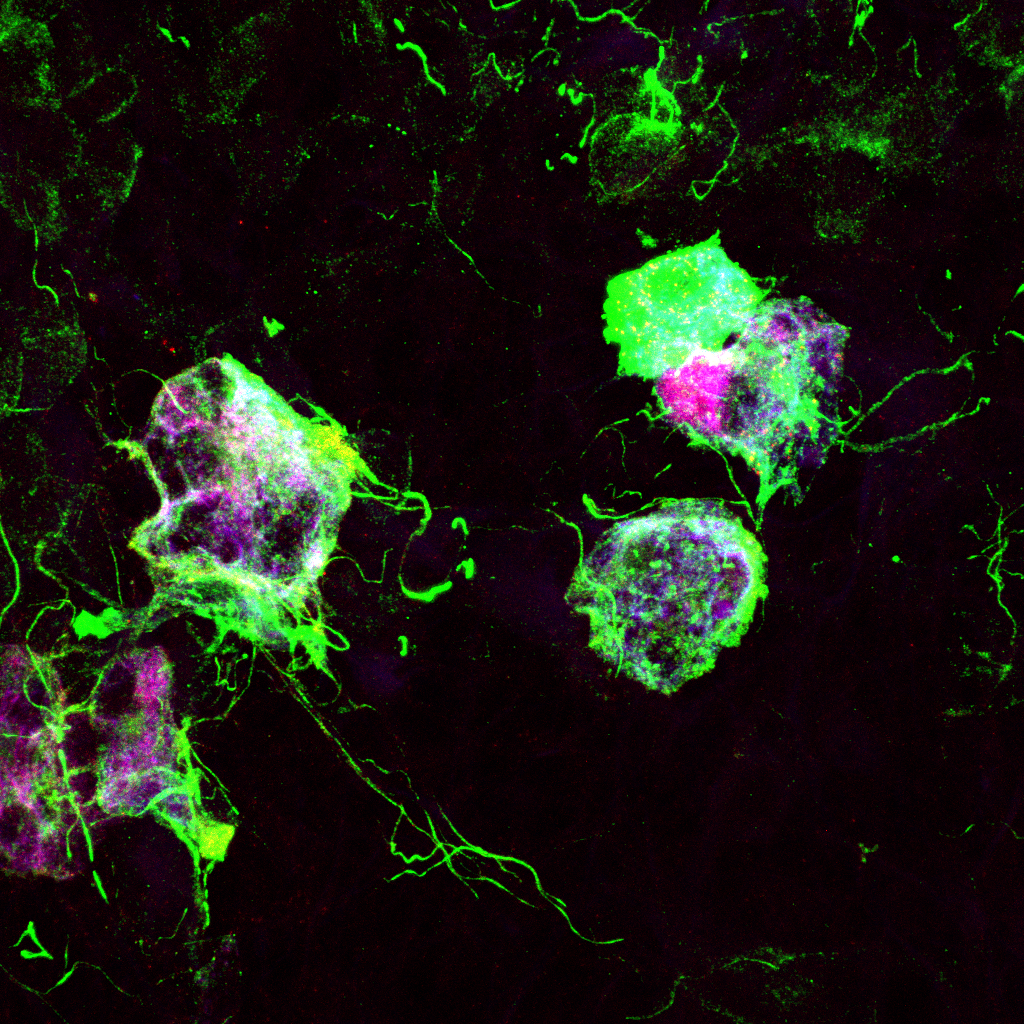
Our lab continuously works to improve the complexity and relevance of brain microphysiological system (MPS) models. Current efforts focus on integrating microglia-like cells to enhance neuroimmune interactions, studying the role of hormones in brain development, and developing region-specific MPS such as hippocampal models to better understand specialized brain functions. Additionally, we are pioneering a microfluidic system, in collaboration with the Gracias Lab, to serve as synthetic vasculature, enabling the growth of large-scale brain organoids.
-
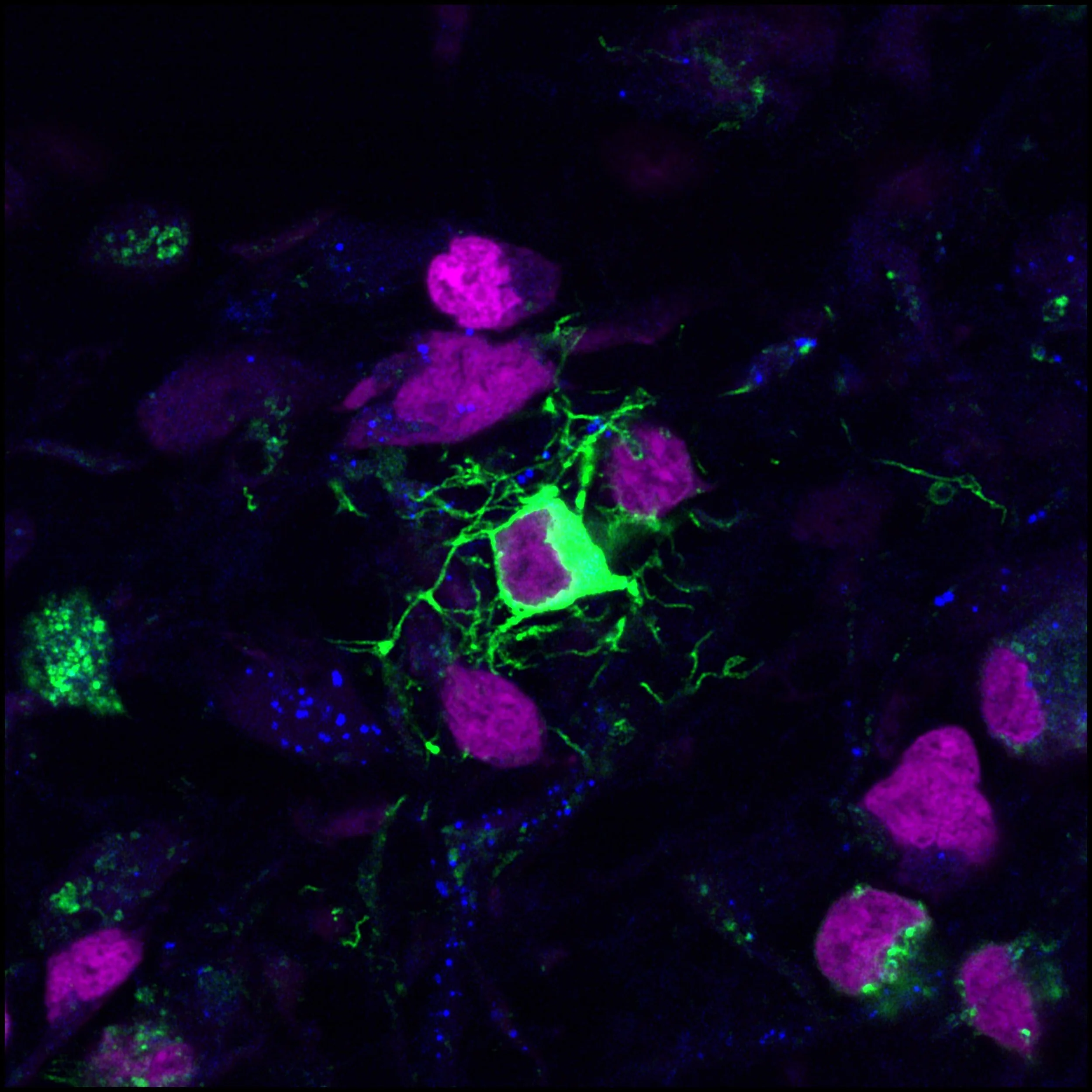
We have also developed a chemically defined glial-enriched medium (GEM) that increases the population and functionality of astrocytes and oligodendrocytes within bMPS, improving physiological relevance. These models demonstrate robust neuronal activity, neurite outgrowth, and cell migration, making them valuable for studying neurological diseases and drug discovery.
-
Additionally, we are developing a microfluidic system, in collaboration with the Gracias Lab, to serve as synthetic vasculature, enabling the growth of large-scale brain organoids with perfusion.
Microglia in a brain microphysiologic system
New Approach Methodologies for Developmental Neurotoxicity (DNT)
-
Traditional animal models for DNT testing are time-consuming, costly, and often lack human relevance. Our lab has pioneered the high-throughput culture of brain microphysiologic systems to facilitate well powered DNT testing of many compounds. Additionally, our lab is advancing the use of organoid intelligence (OI) by integrating brain organoids with artificial intelligence to study neuroplasticity, a key factor in learning and memory. This approach improves the detection of neurotoxic effects and their relevance to behavioral neurotoxic impacts, providing a scalable and human-relevant method for chemical testing. The projects described above represent our overarching goal to improve and apply new approach methodologies for developmental neurotoxicity testing
-
We have performed case studies to investigate different compounds potential for developmental neurotoxic effects, including pesticides, maternal medications, metals and environmental pollutants.
-
In order to facilitate faster, easier, and more reproducible high throughput testing of potential developmental neurotoxins, one focus of the lab has been to develop iPSC derived reporter lines.
bMPS with endogenous labeled Oligodendrocytes (green) and synapses (blue)